
Bear meat often carries a stigma people worry about parasites, toughness, or an overwhelmingly “gamey” flavor. The truth is that when handled with proper field care and cooked to the correct internal temperature, black bear (Ursus americanus) is a nutritious, flavorful, and sustainable protein much like elk or moose.
Over years in the field I’ve learned how to process and cook bear so it consistently produces high-quality meals. With the right trimming, temperature control, and recipes, you can substitute bear for beef in many family favorites and discover a unique flavor profile that varies by season and diet.
This guide walks you through the safe way from harvest to table, covering essential field tips, the science behind trichinosis and temperature safety, and practical cooking methods that bring out the best in bear meat. Scroll to the safety section for quick, actionable rules and don’t miss the featured recipes if you’re ready to try a bear roast or a ground-bear burger tonight.
Embracing Tradition: The Historical Value of Bear Meat
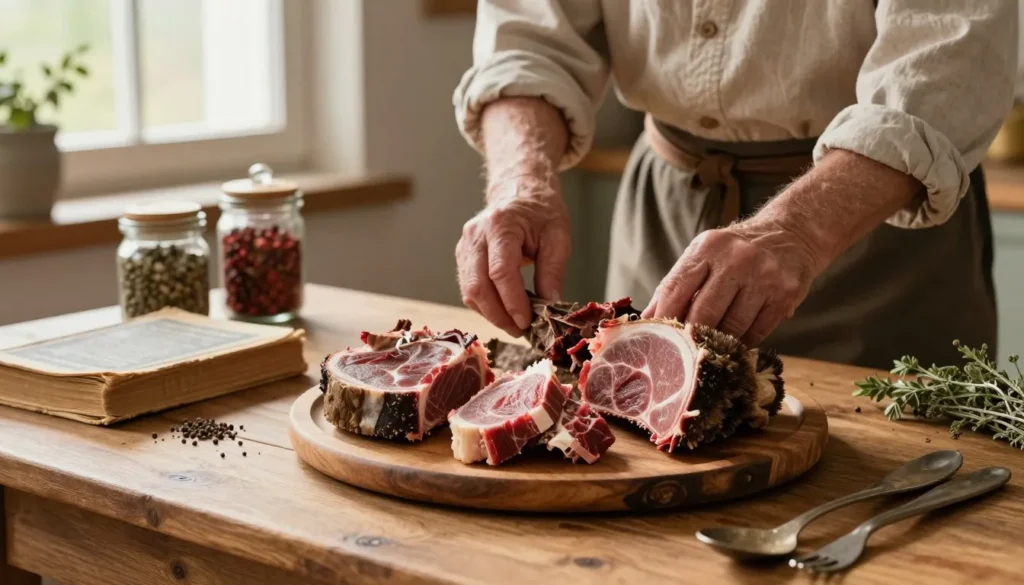
Breaking the bear-meat stigma starts with understanding the long relationship people have had with bears. Across North America and in other regions, bears have been more than wild animals — they were valuable game that provided food, clothing, tools, and fat used for candles, soap, and cooking oil. This practical respect for the animal encouraged full utilization of every part.
Indigenous communities and early settlers developed techniques to preserve meat, render fat, and make durable garments from fur. Those traditions emphasized resourcefulness: hides for warmth, bones for tools, and rendered fat for household needs. Today, many hunters are reconnecting with that way of life by harvesting and processing their own bear meat, honoring both the animal and the experience of self-sufficiency.
- Historically, bears supplied food, clothing, and household fat and tools.
- Every part of the animal was used to reduce waste and maximize value.
- Hunting practices have evolved, but the ethos of respect and resourcefulness remains.
- Modern hunters often revive traditional field processing and rendering techniques.
- Understanding history helps destigmatize bear meat and appreciate its culinary potential.
Field to Table: Harvesting, Processing, and Safety Considerations
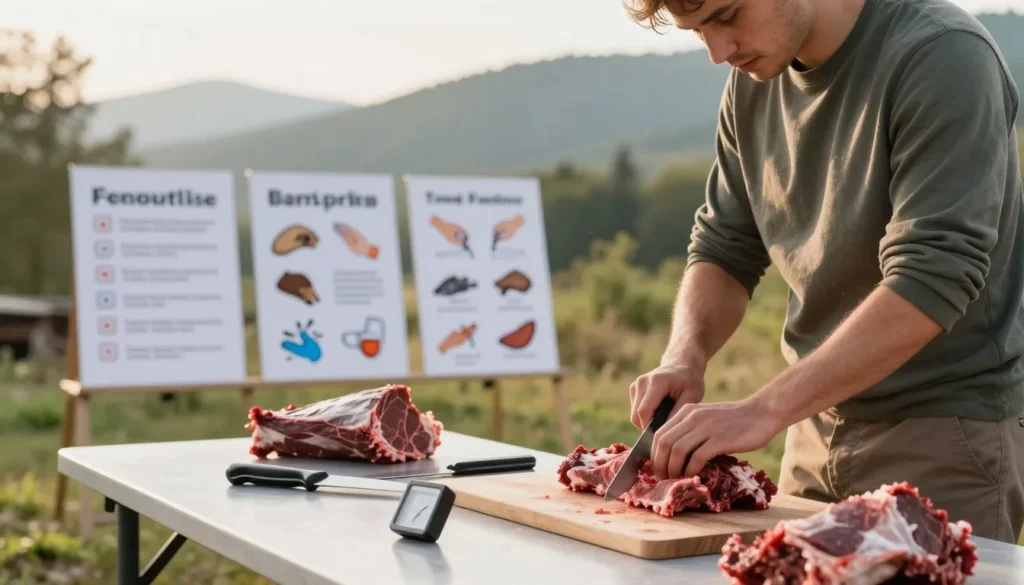
The trip from field to table is where quality and safety are won or lost. Treat every bear carcass like any other big-game harvest: work cleanly, move quickly, and avoid cross-contamination. Below are practical, step-by-step field rules to preserve flavor and reduce risk.
1) Immediate field actions
- Cool fast: Remove the hide and as much external fat as practical as soon as possible. Thick bear fat traps heat and speeds spoilage in warm conditions.
- Eviscerate and clean: Gut the animal promptly and avoid puncturing the GI tract. Keep the cavity clean and dry.
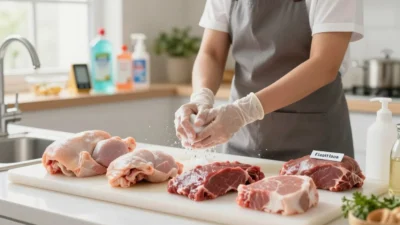
- Use protective gear: Wear disposable gloves while processing and change them if they get contaminated; keep a dedicated field knife and cutting board for game.
2) Fat management and trimming
- Aggressively trim excessive fat—game fat can taint meat flavor if left on. Save good fat for rendering, but separate suspect or discolored fat from meat cuts.
- Render usable fat into oil for cooking or storage (see pro-tips later) and refrigerate or freeze rendered oil promptly.
3) Cooling, transport, and storage
- Target: get meat below 40°F as quickly as possible. In hot weather, cool in shaded ice chests or use dry ice when legal and safe to do so.
- Pack the meat in clean, sealed bags and avoid stacking warm cuts together—airflow and separation speed cooling.
- Wrap tightly in plastic then vacuum-seal for long-term freezer storage to prevent freezer burn.
4) The parasite risk — trichinosis and practical precautions
Trichinosis (caused by Trichinella spp.) is rare but serious. For safety assume all bear meat could be infected and follow heat-based controls. Important notes:
- Do not rely on home freezing as your sole control: some northern strains (e.g., Trichinella nativa) can survive freezing, so freezing alone is not a reliable kill step for all Trichinella.
- Heat is the gold standard: cook to recommended internal temperatures (see cooking and safety section) rather than depending on freezing.
- Avoid tasting raw or undercooked bear meat and prevent cross-contamination of utensils, cutting boards, and surfaces.
5) Quick field checklist
- Gloves, dedicated knife, clean cutting board
- Sharpies/labels, heavy-duty plastic bags, vacuum sealer (or wraps)
- Cooler with ice/dry ice, thermometer, and route to refrigerated storage
Following these field-to-freezer steps—rapid cooling, careful trimming of fat, and strict hygiene—will protect flavor and reduce risk from parasites or spoilage. For precise time/temperature cook targets and the science behind thermal inactivation of parasites, see the safety and cooking section below.
Bear Meat Nutrition Facts and Benefits
Bear meat is a nutrient-dense wild game that can be an excellent addition to a balanced diet. As a source of high-quality protein and significant iron, it supports muscle repair, energy levels, and overall nutrition—similar in many respects to other game like deer or elk, but with its own distinct profile depending on season and the animal’s diet.
Seasonal and diet-driven differences affect both flavor and nutrition. Fall bears build substantial fat stores and often display more marbling, which enhances richness; spring bears are leaner after a long winter and behave more like wild hog in texture. Coastal bears that feed on salmon and marine resources can pick up a seafood-like nuance.
- High-quality protein: Wild-caught bear meat is protein-rich and supports muscle maintenance.
- Iron-dense: Like deer and other red game, bear meat provides bioavailable iron helpful for energy and blood health.
- Seasonal fat content: Fall bears carry more fat and marbling—great for braises and roasts—while spring bear is leaner and better for grinding.
- Flavor versatility: Depending on diet (berries, grasses, fish, or carrion), the flavor ranges from subtly sweet to gamier or even faintly fishy in coastal specimens.
Practical serving suggestions: use ground bear as a 1:1 substitute for beef in burgers, chili, or meatloaf to take advantage of its protein; slow-cook roasts or braises to benefit from fall fat marbling. If you add specific nutrition facts (calories, grams protein, fat, and iron per 100 g), source them from USDA or peer-reviewed databases to keep comparisons accurate.
How to Cook bear Meat Safely and With Precision
Cooking bear requires precision: the right internal temperature is the primary control against parasites and the key to good flavor and texture. Always use a calibrated meat thermometer and check temps in multiple locations before serving.
Thermometers & targets
- Quick answer for home cooks: aim for an internal temperature of 165°F–170°F for whole cuts and roasts to ensure parasite and pathogen safety. This conservative range aligns with guidance to eliminate Trichinella and common bacterial risks for typical home kitchens.
- For ground bear (burgers, meatloaf, chili), always cook to 165°F internally.
- After removing from heat, let meat rest 10–15 minutes so carryover heat evens out and juices redistribute; this also provides an extra safety margin.
Sous-vide protocols (advanced cooks)
Sous-vide can produce tender steaks while meeting time/temperature lethality targets—however, it’s an advanced technique and should be used with an understanding of time/temperature equivalences and food-safety controls.
- Example advanced approach: holding vacuum-sealed backstraps at 144°F for several hours can inactivate Trichinella given the appropriate time. If you use sous-vide, follow validated time/temperature tables from USDA/FSIS or food-safety authorities and ensure your bath and thermometer are accurate.
- Note: because sous-vide operates at lower temperatures than traditional roasting, strict adherence to published time/temperature schedules is essential; otherwise, cook to the conservative 165–170°F range with traditional methods.
Traditional oven, grill, and braise targets
- Steaks and backstraps: Sear hot to develop crust, then finish to a safe internal temp. For home cooks who want no ambiguity, finish to 165°F—if you prefer sous-vide medium-rare textures, use validated sous-vide times and temperatures.
- Roasts and braises: Aim for internal temperatures in the 165–170°F range for safety; slow braises benefit from low-and-slow time to tenderize connective tissue (several hours depending on size and cut).
- Ground preparations (burgers, chili): 165°F internal is required.
Time/temperature context and parasite control
Authoritative sources provide time/temperature equivalences for inactivating parasites like Trichinella. Because guidance and acceptable combinations vary, this article recommends the conservative approach for most readers: heat to at least 165°F–170°F. If you choose lower-temperature methods (e.g., sous-vide at 130–144°F), reference official time/temperature charts and treat them as advanced protocols rather than casual shortcuts.
Practical tips
- Make sure your thermometer is calibrated—check in boiling water (212°F at sea level) or an ice bath.
- Check temperature in the thickest part of the cut and in several spots for uneven pieces.
- Use recipes that match the cut: roasts and braises for tougher, fattier fall bear; quick cooks or sous-vide for tender backstraps when following strict safety schedules.
In short: use a reliable thermometer, prefer the conservative 165°F–170°F target unless you are following validated sous-vide time/temperature protocols, and allow 10–15 minutes rest after cooking. These steps protect against trichinosis and other hazards while giving you the best possible flavor and texture from your bear meat.
Cooking Techniques and Flavor Enhancements for bear Meat
Cooking bear meat well is about choosing the right method for the cut and the season. Unlike tender beef steaks, many bear cuts benefit from slow, moist-heat techniques that break down connective tissue and let the unique flavor shine. Below are practical approaches, seasonal notes, and flavor-building tips you can use for roasts, ground meat, and steaks.
Roasts and grinds over steaks
Bear meat tends to be tougher than beef; for most home cooks, roasts and ground preparations will reliably produce the best results.
- Use tougher hindquarter and shoulder cuts for roasts, chili, and burgers—these handle long cooking and grinding well.
- Grind bear 1:1 in place of beef for burgers, meatloaf, or chili; fat from fall bears can help add juiciness to ground mixes so you don’t need to add much beef.
- When grilling backstraps or steaks, marinate or use a short brine and rely on quick searing—these are the most tender sections but still benefit from careful handling.
Braising & acidity: the power of low-and-slow
For fall bear roast or tough cuts, braising is your best friend. Properly braised bear will be fork-tender and richly flavored.
- Sear first over high heat to develop Maillard browning, then braise at a lower oven temperature—target 300–325°F for braising rather than 350°F—to gently break down connective tissue over several hours (2–4+ hours depending on size).
- Use acidic or bold liquids—brown ale, beer, or red wine—plus aromatics and root vegetables (onion, carrot, parsnip, potato) to complement the meat’s richness.
- Fall bear, with its extra fat marbling, excels in braises and roasts; the rendered fat bastes the meat during the long cook and enriches the sauce.
Quick cooks, steaks, and membrane trimming
- Spring bear is leaner and behaves more like wild hog—treat it carefully: quick cooks should be brief and often paired with a marinade or tenderizing salt.
- Always remove the tacky silver skin/membrane from each cut—this prevents a chewy texture and reduces perceived gaminess. Use a sharp boning knife and pull the membrane away while cutting parallel to the blade.
- Sear steaks hot to form a crust, then finish briefly—if you prefer medium-rare textures, follow validated sous-vide protocols (advanced) or be conservative and finish to safe internal temps (see safety section).
Flavor building and pairings
- Herbs & aromatics: rosemary, thyme, juniper, garlic, and bay leaf stand up well to game flavors.
- Fruit & berry pairings: berries (cranberry, huckleberry, or blueberry) work especially well with pulled or roasted bear—use them in glazes or a berry BBQ sauce.
- Fats & renderings: use rendered bear fat as a cooking oil for searing or baking (biscuits/pie shells) to echo the meat’s flavor and take advantage of fall harvests.
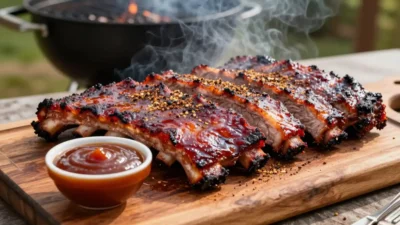
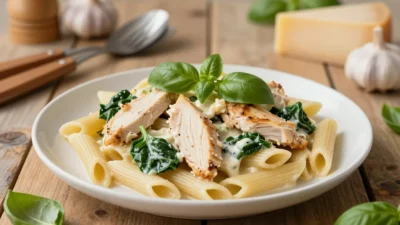
Practical dish ideas: beer-braised bear roast for a weekend meal, ground-bear burgers as a direct beef substitute, and a pulled-bear sandwich with a berry BBQ for a seasonal showstopper. Try one of these methods based on your cut and season—roasts and braises for fall bears, quick sears or ground preparations for spring—and you’ll get the best flavor from your bear meat.
Expert Pro-Tips: Mastering Cooking Methods and Recipes
Once you’ve mastered safe handling and the right cooking temperatures, bear fat becomes one of the most valuable parts of the animal. Rendered properly, bear fat is a versatile cooking oil that adds depth to baked goods, enriches sausages, and helps sear roasts with great flavor.
Rendering basics (simple and safe)
- Chop clean, firm fat into small pieces and heat slowly over low to medium heat with a little water to prevent burning. Strain through cheesecloth into a clean jar.
- Store rendered fat refrigerated for several weeks or frozen for several months; always label with date and source.
- When in doubt about off-flavors (from a bear that scavenged carrion or had a heavy fish diet), discard suspect fat—don’t risk tainting dishes.
Top uses for rendered bear fat
- Cooking oil: Use for frying or sautéing in place of other animal fats—great for searing steaks or frying potatoes.
- Baking: Substitute rendered bear fat for butter or lard in biscuits or pie shells (start with a 1:1 substitution and adjust to taste).
- Sausage making: Replace pork fat in sausage blends to add a unique depth—use roughly the same fat-to-lean ratio you would for pork sausages.
- Roast basting: Spoon warm rendered fat over roasts during slow cooking to boost moisture and flavor.
Safety notes for curing, smoking, and preserving
- Make sure you follow established curing/smoking safety protocols—use the recommended curing salts where recipes call for them and follow time/temperature guidance to prevent microbial growth.
- Remember that rendering and smoking address flavor and preservation but do not replace proper cooking to safe internal temperatures (see safety section for 165°F–170°F guidance).
Zero-waste and bonus uses
- Save trimmed meat and less-desirable cuts for grinding—ground bear makes excellent burgers, chili, and meatloaf, replacing beef in most recipes.
- Zero-waste idea: cooked, fully cooled trimmings can be mixed with vegetables and cooked thoroughly to make a natural dog food (4:1 meat-to-veggie ratio) — always cook to at least 165°F before feeding.
These pro tips will help you get the most out of fall harvests when fat is plentiful and allow you to substitute bear fat for pork or beef fat in many dishes. Experiment in small batches until you dial in the flavor you like—rendered bear fat can transform ordinary recipes into something special.
Conclusion
Reconnecting with our culinary heritage through responsible harvest and preparation brings us closer to the natural world and restores appreciation for a resilient, sustainable protein. When treated with respect—through careful field handling, prudent trimming, and precise temperature control—bear meat rewards you with distinctive flavors and solid nutrition.
Practical next steps: make sure you follow the field checklist (gloves, rapid cooling, separate tools), render and store fat properly, and always use a calibrated thermometer to hit the recommended conservative target of 165°F–170°F for general home cooking (or follow validated sous-vide time/temperature charts if using advanced methods).
Try one of the featured recipes—like a beer-braised bear roast or a ground-bear burger—then share your experience with fellow hunters and cooks. If you’d like, print the safe-cooking cheat-sheet and field checklist from this guide and keep it with your hunting gear. A small pledge to save and share: “I will cook bear to at least 165°F and follow safe field handling practices.” Together, hunters can preserve tradition, minimize waste, and enjoy this unique game responsibly.